Upgrading a home without spending more than necessary is possible with the right planning and patience. Many homeowners feel pressure to complete large renovations all at once, but that approach often leads to overspending and rushed decisions. A better path focuses on small, meaningful changes that build long-term value over time.
A thoughtful upgrade strategy starts with understanding what truly needs attention versus what simply feels outdated. Some improvements are visual, while others affect comfort, safety, or daily function. The key is learning how to balance those priorities while keeping spending controlled.
Another important factor is timing. Spreading projects out allows more flexibility in choosing materials, comparing options, and waiting for better pricing. It also gives you time to coordinate work in a way that avoids unnecessary overlap or wasted effort.
This approach helps you create a more comfortable, functional home while staying grounded in a realistic budget. The sections below break down practical ways to upgrade different areas of the home without unnecessary financial strain.
Choosing Practical Home Furnishings Wisely
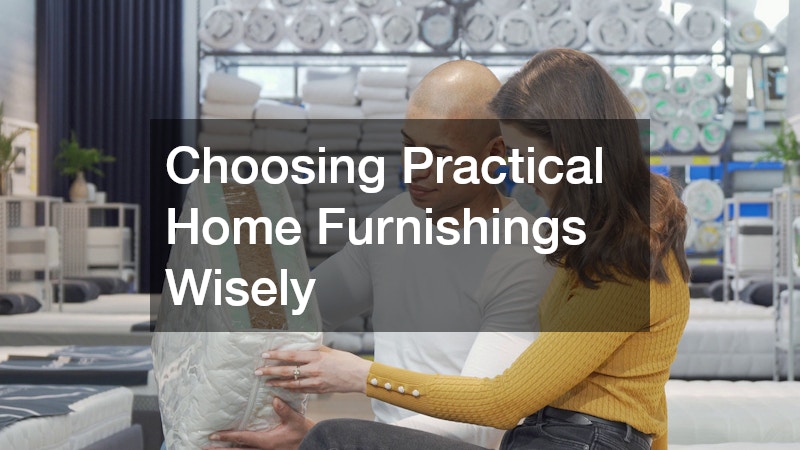
Upgrading interiors often starts with furniture choices, and this is where many budgets can quickly shift out of control. Instead of replacing everything at once, you can focus on pieces that have the biggest impact on comfort and layout.
A visit to a furniture store can help you compare materials, durability, and price ranges before making decisions. The goal is to prioritize items that support daily use rather than purely decorative pieces. Multi-functional furniture, like storage ottomans or extendable tables, can also reduce the need for extra purchases.
To stay on budget, consider:
- Replacing only high-wear items first
- Mixing new pieces with existing furniture
- Choosing neutral designs that last longer stylistically
- Watching for seasonal sales instead of buying immediately
Small updates, like swapping out accent chairs or adding functional shelving, can refresh a space without requiring a full redesign. Over time, these incremental changes can make your home feel significantly more modern without a major financial commitment.
Updating Bathroom Spaces Efficiently
Bathroom upgrades often bring strong value to a home, but they can also become expensive if not carefully planned. Working with a bathroom contractor helps identify which improvements will deliver the most impact without unnecessary construction.
In many homes, converting older tubs into more practical layouts is a common request. A bathtub to shower remodeler can help reshape the space to improve accessibility, function, and appearance without requiring a full rebuild of the bathroom.
Some budget-friendly bathroom strategies include:
- Refinishing instead of replacing fixtures
- Updating lighting for a cleaner look
- Replacing outdated hardware like faucets and handles
- Improving ventilation to prevent long-term damage
The focus should remain on function first, then aesthetics. Even small updates can make the bathroom feel newer and more comfortable without a full renovation.
Improving Kitchen Function Without Full Replacement
The kitchen is often the most expensive area to renovate, but full replacements are not always necessary. A kitchen remodeling company can help identify cost-saving approaches that improve usability without rebuilding everything from scratch.
One of the most effective upgrades involves working with kitchen cabinet manufacturers to refresh storage solutions. Refacing or replacing cabinet doors can dramatically change the appearance of the kitchen without changing the entire layout.
Practical kitchen improvement ideas include:
- Painting or refinishing cabinet surfaces
- Updating countertops in smaller sections
- Improving lighting under cabinets
- Adding open shelving for better access
Focusing on layout efficiency rather than complete replacement allows you to extend your budget while still achieving noticeable improvements.
Managing Essential Home Systems
Behind-the-scenes systems often get overlooked during renovation planning, but they play a major role in long-term comfort. Reliable plumbing services help prevent leaks, water damage, and costly emergency repairs that can disrupt other upgrades.
At the same time, working with an HVAC company ensures heating and cooling systems remain efficient. Older systems often consume more energy, which increases monthly costs and reduces comfort levels in extreme weather.
Key maintenance and upgrade considerations include:
- Inspecting pipes for hidden leaks
- Servicing heating and cooling systems annually
- Replacing outdated thermostats with programmable options
- Addressing small issues before they grow larger
Investing in system reliability helps protect every other improvement made in the home.
Enhancing Exterior Boundaries for Security and Appeal
Exterior improvements can significantly change how a home feels without requiring major interior work. Fence companies can help improve privacy, security, and curb appeal with relatively simple upgrades.
Instead of full replacement, many homeowners choose partial repairs or section upgrades to manage costs. Materials also play a major role in affordability, with options ranging from wood to composite, depending on long-term maintenance preferences.
Budget-conscious exterior improvements may include:
- Repairing damaged fence panels instead of replacing all sections
- Repainting or staining existing structures
- Adjusting layout for better yard use
- Adding small decorative accents for visual appeal
Even modest changes can improve both appearance and property function.
Refreshing Interior Appearance Through Paint
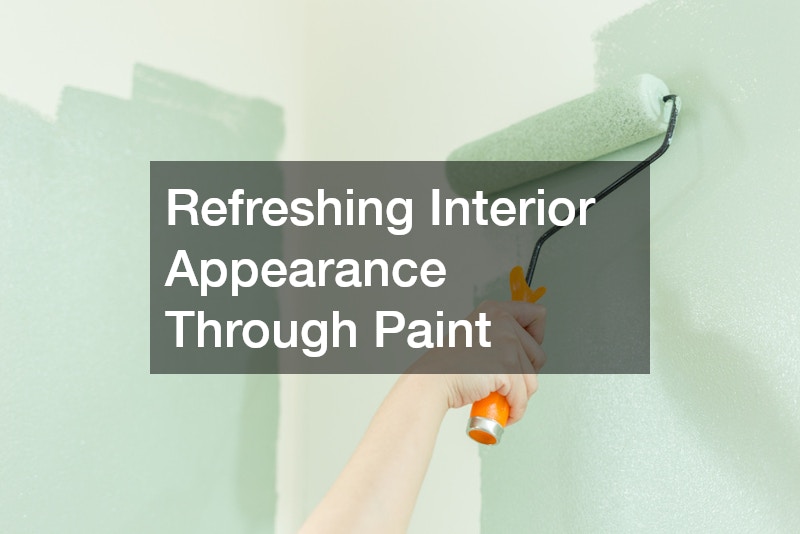
Paint remains one of the most cost-effective ways to transform a home’s interior. Local painting contractors can help achieve consistent finishes, especially in larger or multi-room projects.
Color selection plays a major role in how spacious and modern a home feels. Lighter tones often create openness, while accent walls add character without overwhelming a space.
Helpful painting strategies include:
- Focusing on high-traffic areas first
- Using durable finishes for long-lasting results
- Coordinating colors across multiple rooms
- Repairing wall imperfections before painting
This type of upgrade delivers a strong visual impact without requiring structural changes.
Improving Outdoor Living Areas on a Budget
Outdoor spaces are often underused but hold strong potential for relaxation and entertainment. Local hardscaping contractors can help reshape patios, walkways, and seating areas to improve usability without full reconstruction.
Simple adjustments can significantly enhance outdoor living value. Even small design changes can create more functional gathering spaces.
Cost-conscious outdoor improvements include:
- Expanding existing patio areas gradually
- Adding gravel or paver sections instead of full concrete
- Creating defined walkways for better flow
- Incorporating low-maintenance materials
These upgrades improve both appearance and usability without major spending.
Prioritizing Repairs Before Cosmetic Changes
Before focusing on appearance, it helps to address underlying repair needs. Structural or mechanical issues can affect the success of any upgrade if left unresolved.
Leaks, electrical concerns, or ventilation problems should come before cosmetic improvements. This approach prevents repeated work and avoids wasting money on surface-level changes that may need to be undone later.
A practical order of operations includes:
- Fixing safety-related issues first
- Addressing water or moisture problems
- Stabilizing structural concerns
- Moving into visual upgrades afterward
This creates a stronger foundation for future improvements.
Knowing When to Hire Help and When to Wait

Not every project needs immediate professional involvement, like a bathtub to shower remodeler, for example. Some upgrades can be handled gradually, while others require specialized skills. Understanding this difference helps you control spending without compromising results.
Smaller tasks like painting or furniture updates may be manageable independently. More technical work, such as plumbing or electrical adjustments, is better left to trained professionals.
Helpful decision points include:
- Skill level required for the task
- Risk of long-term damage if done incorrectly
- Time available to complete the work
- Cost difference between DIY and hiring help
Balancing these factors helps stretch the budget without sacrificing quality.
Planning Upgrades in Stages
A staged approach allows you to distribute costs over time instead of handling everything at once. This method also helps prevent overwhelming decisions and rushed purchases.
Breaking improvements into phases can follow a simple structure:
- Phase one: essential repairs and system updates
- Phase two: functional improvements in key rooms
- Phase three: visual upgrades and finishing touches
Each stage builds on the last, creating steady progress without financial pressure spikes.
Stretching Budget Through Material Choices and Timing
One of the most overlooked ways to reduce renovation costs is how materials are selected and when purchases are made. Many homeowners rush into buying items at full price, but timing and flexibility can significantly change overall spending.
A smarter approach begins with understanding that not every material needs to be premium-grade to look good or last long. Mid-range options often deliver a similar appearance and durability without the higher cost. The goal is to match material quality with actual usage rather than defaulting to top-tier selections.
Another important factor is timing purchases around market cycles. Many home improvement materials go on sale during seasonal transitions or clearance periods. Planning ahead allows you to take advantage of these price drops instead of buying during peak demand.
Practical ways to stretch the budget include:
- Waiting for seasonal promotions on flooring, fixtures, and finishes
- Comparing multiple suppliers before committing to a purchase
- Choosing alternative materials that offer similar durability at a lower cost
- Buying in phases instead of purchasing everything at once
Storage and staging also play a role. If materials are purchased gradually, they can be stored safely until needed, allowing flexibility in scheduling work. This approach also helps avoid rushed decisions that often lead to regret or unnecessary upgrades.
Another useful strategy is mixing material tiers within the same space. For example, using higher-end finishes in focal areas while keeping secondary surfaces more cost-efficient can create a balanced look without overspending. This method allows visual impact where it matters most while maintaining control over total expenses.
Over time, this mindset shifts renovation planning from reactive spending to intentional decision-making. Each purchase becomes part of a broader plan rather than an isolated expense, which helps keep long-term goals aligned with the available budget.
Avoiding Common Budget Mistakes in Renovation Projects
Budget overruns often happen not because of one major expense, but because of many small missteps along the way. Recognizing these patterns early helps prevent unnecessary financial strain and keeps projects on track.
One common issue is underestimating labor and hidden costs. Even simple upgrades can reveal unexpected repairs once work begins. Without planning for these possibilities, budgets can quickly become unbalanced. Setting aside a contingency buffer helps absorb these surprises without disrupting the entire project.
Another frequent mistake is changing plans mid-project. Adjustments often seem minor at first, but they can lead to additional material purchases, labor changes, and delays. Staying committed to a clear plan helps maintain financial control and reduces confusion during execution.
Other budget pitfalls include:
- Starting too many projects at the same time
- Prioritizing appearance over structural needs
- Ignoring long-term maintenance costs
- Choosing the cheapest option without considering durability
Spacing projects out can prevent overwhelm and allow for better decision-making. When everything is handled at once, it becomes harder to compare options or evaluate true necessity. A phased approach supports better financial clarity.
It is also important to separate “want” upgrades from “need” upgrades. While aesthetic improvements are satisfying, essential repairs should always come first. This prevents situations where cosmetic work has to be redone due to unresolved underlying issues.
Documentation helps as well. Keeping track of estimates, receipts, and timelines gives a clearer view of spending patterns. This makes it easier to identify areas where adjustments can be made before costs escalate.
Finally, communication plays a major role when working with professionals. Clear expectations and written agreements reduce misunderstandings and help keep projects aligned with the original budget. Even small misalignments in scope can lead to larger cost increases if not addressed early.
By avoiding these common mistakes, homeowners can maintain better control over renovation spending. The result is a smoother process, fewer surprises, and a more predictable path toward completing home upgrades without financial stress.
Balancing Function and Aesthetics for Sustainable Home Improvement
Upgrading a home on a limited budget comes down to planning, patience, and smart prioritization. Small, intentional changes often create more lasting value than large, rushed renovations. By focusing on function first, then appearance, you can steadily improve comfort without unnecessary financial strain.
Every decision contributes to the bigger picture. When upgrades are spaced out and chosen carefully, the home evolves in a way that feels natural, practical, and financially sustainable over time.
In addition, consider incorporating DIY projects that can save money while adding a personal touch. Simple tasks like painting, landscaping, or even updating hardware can significantly enhance your home’s appeal. Engaging in these projects not only allows you to stick to your budget but also fosters a sense of pride and ownership in your space as you watch it transform over time.