
Water is the lifeblood of the modern home. It courses through your walls, heats your floors, cleans your clothes, and sustains your family’s health. Yet, because most of our plumbing infrastructure is tucked away behind drywall or buried beneath manicured lawns, it is often a case of “out of sight, out of mind.” We only tend to think about our water when the pressure drops, the drain gurgles, or a strange scent wafts up from the basement.
Maintaining safe and clean water requires a dual approach: managing the quality of the water entering the home and ensuring the integrity of the systems that carry waste away. Neglecting these systems doesn’t just lead to inconvenient clogs; it can result in structural degradation, the growth of hazardous pathogens, and the contamination of the very water you drink. This guide provides a comprehensive deep dive into the technical and practical steps necessary to protect your home’s most vital resource.
Optimizing the Quality of Your Interior Water Supply

The journey of water through your home begins at the intake. Whether you are on a municipal line or a private well, the chemical composition of your water dictates the lifespan of your plumbing. High concentrations of calcium and magnesium—commonly referred to as “hard water”—act as a slow-moving tax on your home. These minerals crystallize inside pipes, narrowing the aperture through which water flows and forcing your appliances to work harder.
One of the most effective ways to combat this is the installation and consistent upkeep of high-quality water softeners. These systems utilize ion exchange to replace hardening minerals with sodium ions, preventing the chalky buildup known as scale. When scale is allowed to accumulate, it acts as an insulator in your water heater, significantly increasing energy costs as the element struggles to heat water through a layer of stone. Furthermore, soft water is essential for the longevity of modern high-efficiency washing machines and dishwashers, which have sensitive valves easily jammed by grit.
Beyond mineral management, you must consider the physical state of the pipes themselves. If you live in an older home with copper or galvanized steel, you may eventually face pinhole leaks or internal rusting. Engaging a professional plumbing contractor for a periodic whole-home inspection is the best way to catch these issues before they turn into a midnight emergency. They can use thermal imaging and acoustic sensors to detect moisture behind walls that hasn’t yet manifested as a visible stain, saving you thousands in drywall and flooring repairs.
Actionable Interior Tips:
- Test your hardness annually: Use a titration kit to check the grains per gallon (GPG) of your water. If it’s above 7 GPG, your filtration system needs adjustment.
- Flush your water heater: Once a year, drain your heater to remove the sediment that settles at the bottom. This prevents the “popping” sound of trapped steam bubbles and extends the tank’s life.
- Check the sacrificial anode rod: This rod inside your heater “sacrifices” itself to corrosion so your tank doesn’t. Replace it every three to five years.
Monitoring the Main Line and External Pressure
The water main is the umbilical cord of your property. It is a single pipe, usually buried several feet underground, that bears the full force of the municipal supply. Because it is under constant high pressure, a small fissure can quickly turn into a catastrophic geyser or a silent, soil-eroding leak. If you notice a sudden, unexplained spike in your water bill or a soggy patch in your front yard during a dry spell, you are likely looking at a water line repair situation.
External factors like invasive tree roots, shifting soil, or extreme temperature fluctuations can cause the main line to crack or bow. Modern repair techniques have improved significantly; often, technicians can use “trenchless” methods, such as pipe bursting or epoxy lining, to fix the issue without excavating your entire landscape. This preserves your curb appeal while restoring the integrity of your supply.
In addition to the physical pipe, you must manage the mechanical equipment that facilitates water movement. For those on well systems or homes with low-lying basements, specialized pump services are required to maintain the pressure and flow. A well pump that cycles too frequently is often a sign of a failing pressure tank or a leak in the drop pipe. Regular maintenance of these pumps ensures that you aren’t left without water on a weekend when repair crews are hardest to reach.
Actionable External Tips:
- Locate your main shut-off valve: Every person in the house should know where this is. If a pipe bursts, the speed at which you turn this valve determines the extent of the damage.
- Monitor your water meter: Turn off all taps in the house and watch the meter. If the low-flow indicator (usually a small triangle or star) is spinning, you have a leak.
- Insulate exposed pipes: Use foam sleeves on any pipes in unheated areas like garages or crawlspaces to prevent freezing and bursting during cold snaps.
Proactive Drainage and Debris Management
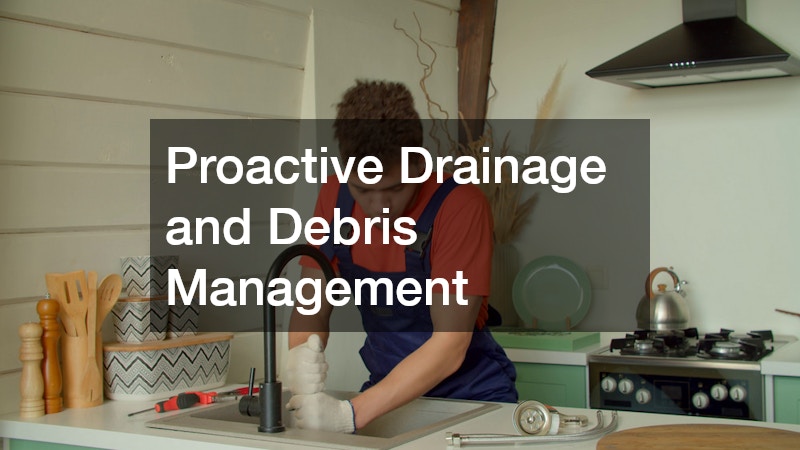
While getting clean water into the home is vital, getting used water out is equally important for hygiene. Every sink, shower, and toilet relies on a delicate balance of gravity and venting. Over time, organic matter, hair, and solidified grease build up on the interior walls of your drainpipes. This creates a “biofilm” that can trap bacteria and cause slow drainage, which eventually leads to a complete backup.
Professional drain cleaning services utilize specialized tools like hydro-jetting—high-pressure water streams—to scrub the inside of pipes back to their original diameter. Unlike hardware-store chemical cleaners, which can be caustic and damage older pipes or kill the “good” bacteria in septic systems, mechanical cleaning is safe and thorough. It removes the root cause of the clog rather than just burning a small hole through it.
For homeowners not connected to a city sewer, the stakes of drainage are even higher. The septic tank is a living ecosystem that requires a strict balance of solids and liquids. To prevent the system from overflowing into the leach field—which can cause permanent soil damage and environmental contamination—regular septic tank pumping is required every three to five years, depending on the size of your household. If solids are allowed to escape the tank and enter the filtration pipes, the entire system can fail, costing tens of thousands of dollars to replace.
Actionable Drainage Tips:
- The Mesh Strainer Rule: Use fine mesh strainers in every tub and shower. Hair is the primary binder for most clogs; keeping it out of the pipes is the easiest way to prevent backups.
- Avoid “Flushable” Wipes: Despite the labeling, these do not break down like toilet paper and are a leading cause of massive clogs in both private and municipal systems.
- Baking Soda and Vinegar: A monthly flush of a half-cup of baking soda followed by a half-cup of vinegar can help break down minor organic buildup and keep drains smelling fresh.
Maintaining a Healthy Septic Ecosystem

A septic system is more than just a tank; it is a complex biological treatment plant located in your backyard. After the tank separates the solids, the clarified liquid (effluent) flows into a distribution box and then into a series of perforated pipes buried in gravel trenches. This area, known as the drain field, relies on the soil to naturally filter out pathogens. To keep this process running smoothly, you may need periodic septic system services to inspect the baffles and ensure the effluent filter is clear.
If the soil in the drain field becomes compacted or oversaturated, the water has nowhere to go. This results in “surfacing,” where untreated sewage rises to the top of the grass. Keeping the area above your septic system clear of heavy structures, vehicles, and deep-rooted trees is essential. Trees like willows or maples have “water-seeking” roots that can infiltrate the pipes, causing massive blockages and structural failure.
When the system is working correctly, you won’t even know it’s there. However, if you experience gurgling sounds in your pipes or notice that your toilets are flushing sluggishly, it’s time to call in the experts. Reliable pump services are often part of a larger maintenance strategy to ensure that any lift stations or aerobic treatment units (ATUs) are functioning at peak efficiency. These mechanical components are common in modern or high-elevation systems and require more frequent check-ups than standard gravity-fed tanks.
Actionable Septic Tips:
- Space out your laundry: Doing five loads of laundry in one day can “flood” your septic tank, pushing solids into the drain field. Spread chores out over the week.
- Watch your chemicals: Excessive use of bleach or heavy-duty disinfectants can kill the bacteria in your tank that break down waste.
- Map your system: Keep a diagram of where your tank and leach field are located. This prevents accidental damage during landscaping or construction projects.
Structural Protection and Moisture Control
Water safety isn’t just about what’s inside the pipes; it’s about keeping external water from entering the structure of your home. Foundations are under constant pressure from the surrounding earth, especially during heavy rain or snowmelt. If your basement or crawlspace isn’t properly sealed, moisture will eventually find its way through hairline cracks in the concrete.
Long-term protection often involves water proofing restorations, processes that might include installing interior French drains, applying crystalline sealants to walls, or upgrading your sump pump system. A dry basement is the first line of defense against the rot that can compromise the wooden “bones” of your house. When moisture is trapped in a crawlspace, it creates a humid microclimate that can lead to sagging floors and warped door frames.
If you discover a leak or a flood has occurred, the clock starts ticking immediately. Mold can begin to colonize damp surfaces in as little as 24 to 48 hours. If you suspect that moisture has been lingering in your walls for a long period, you should look into a professional mold testing service. These specialists use air sampling and moisture meters to determine if there are elevated levels of toxic spores that aren’t visible to the naked eye. Knowing exactly what you are dealing with is the difference between a simple cleaning job and a major health hazard.
Actionable Moisture Tips:
- Clean your gutters: Overflowing gutters drop water right at the base of your foundation. Ensure downspouts carry water at least six to ten feet away from the house.
- Check your sump pump: Pour a bucket of water into the sump pit to make sure the float switch triggers the pump. Do this before every rainy season.
- Grade your soil: Ensure the ground around your home slopes away from the foundation. Even a slight 5% grade can significantly reduce the amount of water hitting your basement walls.
Remediation and Pathogen Control

When preventative measures fail—perhaps due to a hidden pipe leak or a major storm event—the focus must shift from maintenance to active recovery. Once water has saturated porous materials like drywall, carpeting, or insulation, simple air-drying is rarely enough. If a musty odor persists even after a leak is fixed, it is a sign that a colony has taken hold in the dark, damp cavities of your home.
In these instances, professional mold remediation is the only safe way to restore the home’s air quality. This process involves more than just spraying a cleaner; it requires the use of HEPA-filtered air scrubbers, the physical removal of contaminated materials under negative pressure (to prevent spores from spreading to the rest of the house), and the application of antimicrobial coatings. Attempting to scrub large areas of growth yourself can often release millions of spores into the air, exacerbating the problem.
For minor issues, you can take smaller steps to keep your home’s environment hostile to pathogens. Ventilation is your best friend. High-moisture areas like bathrooms and kitchens must be vented directly to the outdoors. If you have a damp basement, running a high-capacity dehumidifier is an excellent investment. By keeping the relative humidity below 50%, you effectively “starve” many types of fungi and bacteria of the moisture they need to thrive.
Actionable Remediation Tips:
- The “Ice Pick” Test: If you suspect wood rot or water damage, gently press an ice pick or screwdriver into the wood. If it goes in easily, the structural integrity is compromised and needs replacement.
- Monitor Humidity: Purchase a cheap hygrometer for your basement. If the reading stays above 60%, you are at high risk for growth.
- Seal the Gaps: Use high-quality silicone caulk around windows, doors, and plumbing penetrations to prevent “wind-driven” rain from entering the wall cavities.
The safety and cleanliness of your home’s water system depend on ongoing vigilance and maintenance. By understanding your plumbing lifecycle—from water entering the main line to leaving through the septic system—you can protect your financial investment and your family’s well-being. A small leak, a slow drain, or a white crust on a showerhead indicates a need for attention. Addressing these issues now prevents major problems like a flooded basement or a collapsed sewer line. Through professional expertise, you can ensure your home remains a sanctuary of clean, safe, and reliable water.