Home safety is an essential part of comfortable living. Even small hazards can lead to accidents, costly repairs, or long-term damage if not addressed promptly. The good news is that many preventive measures are simple to implement and don’t require a major renovation.
This guide explores eleven practical ways to reduce risks and hazards around the house. Each strategy focuses on manageable steps that protect your family, preserve your home, and give you peace of mind. From maintaining surfaces and utilities to addressing pests and water systems, these tips cover every aspect of home safety.
By taking a proactive approach and partnering with experienced professionals, homeowners can prevent accidents before they happen. Simple improvements not only safeguard your loved ones but also maintain the value and integrity of your property.
1. Keep Surfaces Clean and Slip-Free
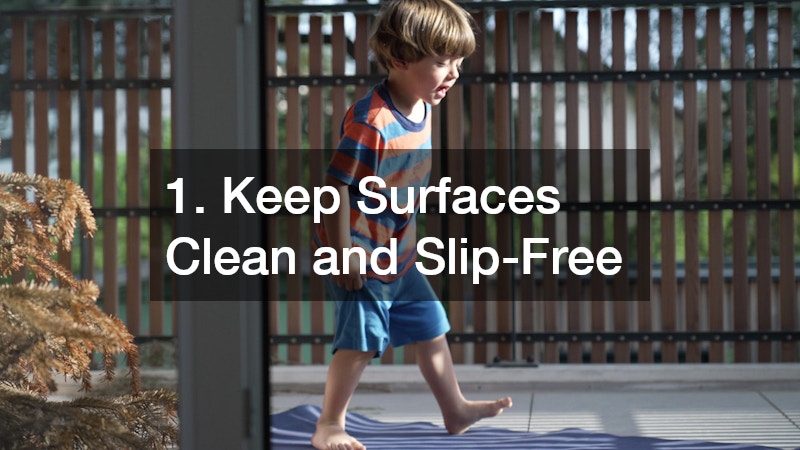
Outdoor surfaces, driveways, and walkways can become slippery due to dirt, mold, or algae buildup. Hiring a pressure washing business ensures that these areas remain clean, reducing the risk of slips and falls. Professionals have the equipment to safely and efficiently clean surfaces without causing damage.
Indoors, regular floor maintenance is equally important. Spills, wet floors, or cluttered hallways can quickly become accident hotspots. Routine cleaning and the use of non-slip mats in high-risk areas like kitchens and bathrooms are simple yet effective measures.
Even minor debris or grime buildup can escalate into dangerous conditions over time. By combining professional cleaning with everyday maintenance, homeowners protect both guests and family members. Keeping surfaces clear, dry, and properly maintained is a low-cost, high-impact way to prevent injuries.
2. Secure Doors and Entry Points
Properly functioning doors and locks are critical for home safety. Engaging locksmiths ensures that all entry points are secure and meet current safety standards. This not only prevents unauthorized access but also provides peace of mind for residents.
Locksmiths can update outdated locks, install deadbolts, and provide master key solutions for multi-door properties. Regular inspections also identify weaknesses that could compromise security. For homes with children, smart locks or childproof mechanisms add another layer of protection.
Securing doors goes hand in hand with general home safety routines. Well-maintained locks reduce the risk of break-ins, minimize stress, and protect valuables. Routine consultations with a locksmith can also prevent potential emergency situations, keeping everyone in the home safer.
3. Maintain Septic and Waste Systems
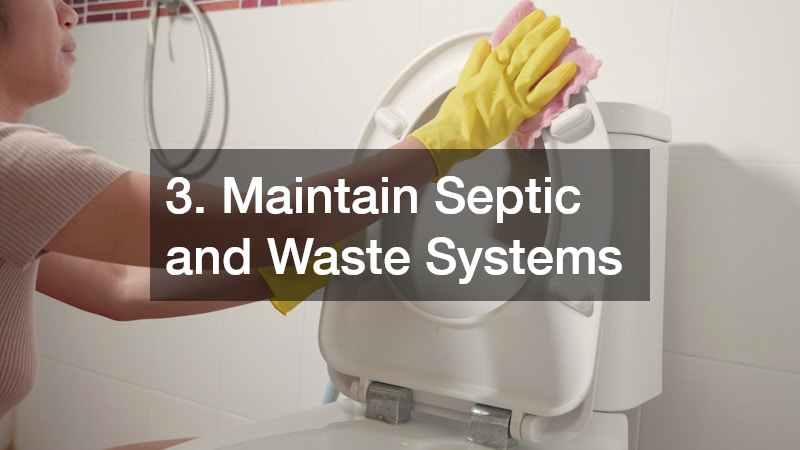
Neglecting septic systems can lead to serious health hazards and structural issues. Pump out septic tanks regularly to prevent backups that may cause property damage or unsanitary conditions. Routine maintenance also ensures that the system operates efficiently and avoids costly repairs.
Septic system professionals can inspect tanks, identify potential clogs, and provide guidance for responsible usage. Avoiding heavy chemicals and improper disposal of waste further extends the lifespan of your septic system.
Routine maintenance prevents leaks and reduces the risk of water contamination around the property. It’s a proactive step that protects both family health and the structural integrity of your home. Regular care ensures that septic systems remain a safe and reliable part of your household infrastructure.
4. Enhance Pool Safety
Swimming areas pose a significant risk for accidents, especially for children or inexperienced swimmers. Pool contractors can help ensure that pools are built and maintained to meet safety standards. This includes proper fencing, slip-resistant surfaces, and reliable filtration systems.
Safety equipment, such as life rings, pool alarms, and secure covers, reduces the risk of drowning or injury. Routine inspections and maintenance from pool contractors ensure that pumps, filters, and other components function correctly.
Even well-designed pools require attention to detail. By combining professional expertise with homeowner diligence, you create a safer recreational environment. Safe pool design enhances enjoyment while minimizing hazards that can lead to serious accidents.
5. Monitor Plumbing Systems
Faulty plumbing can lead to water damage, flooding, and mold growth, all of which pose serious risks in a home. Partnering with a plumbing company for regular inspections and maintenance helps identify leaks, corrosion, or faulty pipes before they escalate.
Water heaters, as part of the plumbing system, require routine servicing to prevent bursts or scalding risks. Plumbing professionals ensure that temperature controls and pressure valves function properly.
Routine inspections also allow homeowners to address minor issues, such as slow drains or dripping faucets, without disrupting daily routines. Well-maintained plumbing systems reduce the likelihood of emergencies, protect property value, and enhance safety in wet areas of the home.
6. Keep Water Systems Clear
Drain issues are another common hazard that can lead to slips, water damage, or costly repairs. A drain cleaning service addresses blockages and ensures water flows freely throughout the property. Regular maintenance prevents buildup from food particles, hair, or debris that could compromise drainage.
Preventive drain cleaning also reduces unpleasant odors and minimizes the risk of bacteria growth in stagnant water. Professional services use techniques that clean pipes effectively without damaging the system, making it safer and more reliable. Homeowners who schedule routine cleanings avoid sudden clogs that can cause flooding or mold development. Clear, functioning drains are a simple but critical part of maintaining a safe and healthy home environment.
7. Inspect for Water Damage
Water damage is often one of the most insidious hazards in a home because it can develop gradually and remain unnoticed until serious problems arise. Even minor leaks from plumbing, roofs, or appliances can lead to significant structural deterioration over time, including weakened floorboards, sagging ceilings, or compromised walls. Moisture can also encourage mold and mildew growth, which poses both health risks and long-term maintenance concerns.
Regular inspections are essential for identifying early warning signs of water damage, such as discoloration, warping, bubbling paint, or musty odors. Proactive detection allows homeowners to address problems before they escalate into safety hazards or costly repairs. Engaging specialists to repair water damage ensures that affected areas are properly dried, sealed, and remediated, preventing further structural compromise and reducing the risk of mold contamination.
Addressing water issues promptly not only preserves the integrity of the home but also enhances occupant safety. Wet or weakened surfaces can cause slips, falls, or other accidents, while moisture near electrical systems increases the risk of short circuits or fire hazards. By taking a proactive approach to monitoring leaks, seepage, and potential water intrusion, homeowners can maintain a secure, healthy living environment. Timely attention to water damage safeguards property value, protects indoor air quality, and creates peace of mind in a safer, more resilient home.
8. Control Pests Effectively
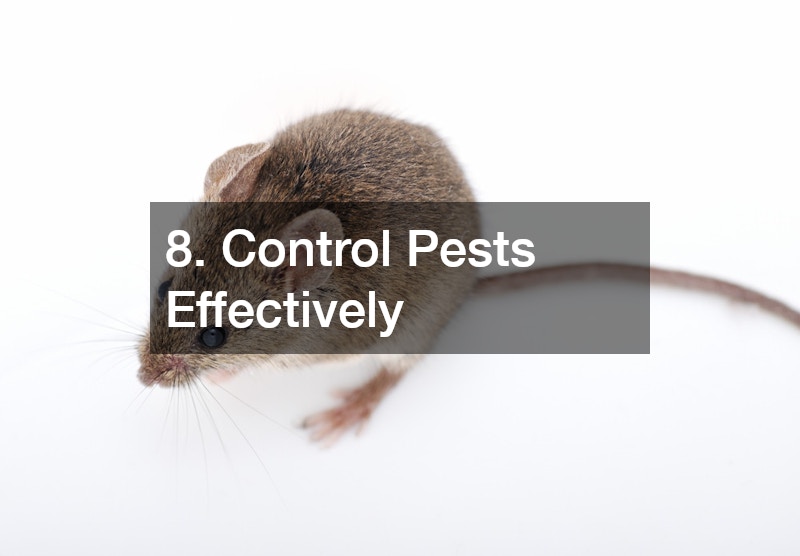
Infestations of insects, rodents, and other pests can create serious health and safety concerns in any home. Beyond the obvious nuisance, these intruders may carry diseases, contaminate food, or trigger allergic reactions, posing risks to families and pets. Rodents can chew through wiring, insulation, and wooden structures, increasing the potential for electrical fires or structural damage. Insects such as ants, cockroaches, or wasps can leave residues that make floors slippery or surfaces unsafe, contributing to accidents.
Engaging professional pest control services addresses these issues efficiently and effectively. Technicians evaluate the property to identify vulnerable areas, entry points, and sources of infestation. They then implement targeted treatments, using methods that are both safe for occupants and highly effective against the pests. Many services also include long-term prevention plans, such as sealing entry points, monitoring traps, or providing guidance on landscaping and storage habits that discourage pest activity.
9. Maintain Heating and Cooling Systems
Malfunctioning HVAC systems can pose serious safety and health risks within the home. Poorly maintained units are a leading cause of indoor air quality problems, distributing dust, allergens, and even mold spores throughout living spaces. In addition, worn-out or improperly functioning components such as electrical connections, motors, and gas lines can create fire hazards or carbon monoxide risks, especially in older systems. Uneven heating or cooling may also lead to discomfort, encouraging homeowners to make unsafe adjustments, such as overloading extension cords or using supplemental space heaters.
Scheduling routine servicing with a licensed HVAC contractor addresses these concerns proactively. Technicians perform thorough inspections of all critical components, including air ducts, filters, blower fans, and electrical connections, while cleaning internal systems to remove accumulated debris and dust. Preventive maintenance not only ensures the system operates efficiently but also identifies potential problems before they escalate into emergencies. For example, a minor refrigerant leak or airflow obstruction can be corrected quickly, avoiding costly breakdowns or unsafe conditions.
Regular HVAC maintenance also improves energy efficiency, reducing unnecessary strain on the system and lowering utility costs. Properly functioning units maintain consistent indoor temperatures, contributing to comfort while safeguarding occupants from potential hazards. Over time, routine care extends the life of the system, providing homeowners with predictable performance, lower repair expenses, and a safer environment. By taking a proactive approach, families can enjoy both peace of mind and reliable indoor comfort throughout the year.
10. Clear Clutter and Debris
Accumulated junk, unused items, and general household clutter can significantly increase the risk of accidents. Tripping hazards are one of the most common causes of home injuries, and cluttered hallways, staircases, or basements can turn everyday movement into a potential danger. In addition, piles of items can obstruct emergency exits, making it harder to leave safely during a fire or other urgent situations.
Hiring professional junk haulers offers an efficient and safe solution to these challenges. These services not only remove large or heavy objects that are difficult to dispose of alone, but they also ensure that potentially hazardous materials—such as old electronics, broken furniture, or chemicals—are handled and discarded according to safety standards. By clearing these items, every area of the home becomes more accessible, reducing the risk of slips, trips, and falls.
A well-organized home also makes it easier to spot hidden dangers that might otherwise go unnoticed, such as exposed wiring, uneven flooring, or water damage in storage areas. Decluttering promotes better hygiene, reduces fire hazards, and allows for smoother navigation throughout the home. Beyond safety, it improves the functionality and livability of your space, turning neglected corners into usable areas and giving homeowners peace of mind knowing their home environment is orderly, safe, and optimized for everyday living.
11. Regular Maintenance Checks
Routine maintenance is one of the most effective ways to prevent accidents and long-term damage in the home. Scheduling consistent inspections for all major systems—such as plumbing, HVAC units, water heaters, and electrical components—helps identify small problems before they escalate into costly or hazardous emergencies. Minor leaks, blocked vents, or worn-out components can be resolved quickly when spotted early, protecting both property and household members.
Coordinating with professional service providers, including plumbing contractors, HVAC contractors, and pest control services, ensures that each system is thoroughly examined and maintained. This approach provides comprehensive coverage of potential hazards, from water leaks that could cause slips or mold to HVAC issues that might impact air quality or create fire risks. By implementing a structured maintenance schedule, homeowners can avoid the stress of sudden breakdowns and reduce long-term repair costs.
Preventive care also enhances the overall resilience of the home. For instance, regularly serviced water heaters maintain proper pressure and temperature, minimizing the risk of burns or flooding, while pest control services prevent infestations that could damage structures or introduce health hazards. By proactively monitoring and addressing potential risks, families create a safe, reliable, and comfortable living environment. Ultimately, regular maintenance ensures peace of mind, knowing that every area of the home—from mechanical systems to structural components—is functioning safely and efficiently.
Preventing accidents and hazards doesn’t require a complete home overhaul. By focusing on manageable, high-impact steps—from cleaning surfaces and securing doors to maintaining plumbing, HVAC, and outdoor systems—homeowners can dramatically improve safety.
Partnering with professionals like pressure washing businesses, locksmiths, pool contractors, and plumbing companies ensures work is done efficiently and correctly. Routine maintenance, decluttering, and preventive inspections protect both the family and the property.
Implementing these strategies creates a safer, healthier, and more comfortable home environment. Small, consistent actions, when combined with professional expertise, provide long-term protection and peace of mind. With proactive planning, your home can become a secure space where accidents and hazards are minimized without stress or disruption.