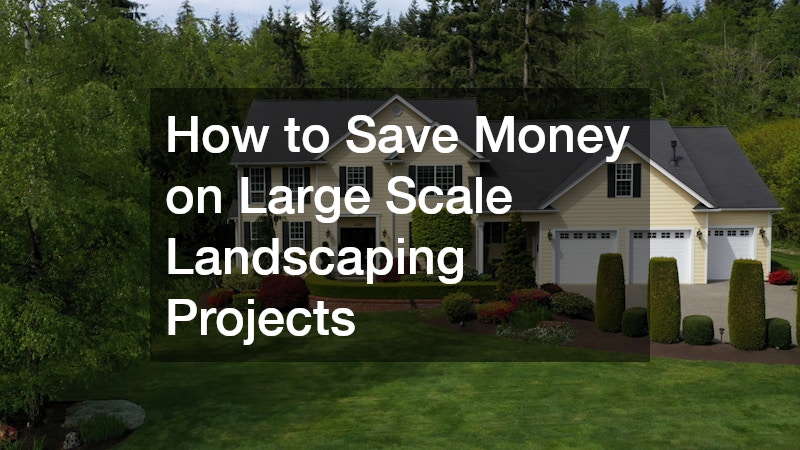
Transforming a sprawling, unkempt yard into a beautiful, functional outdoor living space is one of the most rewarding property upgrades a homeowner can undertake. However, large-scale outdoor projects can quickly become financial black holes if approached without a clear, disciplined strategy. Between earthmoving, structural additions, hardscaping, and softscaping, material costs and trade labor can easily exceed initial budget estimates.
Saving money on major property overhauls does not mean sacrificing quality or settling for cheap, temporary fixes. Instead, maximizing your investment requires careful master planning, understanding the correct sequence of site operations, and choosing materials wisely. By taking a strategic, phased approach to your outdoor transformation, you can stretch your renovation budget while building an outdoor sanctuary that enhances your home’s value for decades.
Preparing and Clearing Raw Property Efficiently
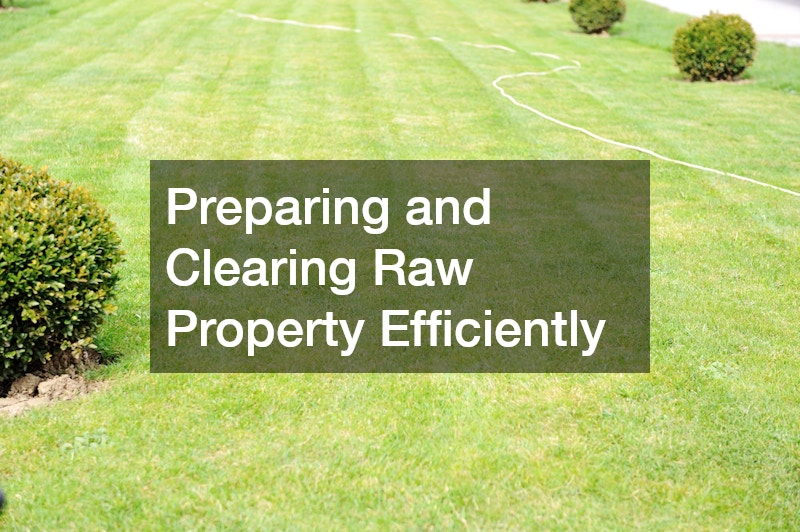
Managing Initial Site Prep and Clearing Earth Without Overspending
Before laying down pavers, planting gardens, or building outdoor living features, you must evaluate the raw condition of your property. Clearing dense brush, removing invasive growth, and addressing uneven terrain are essential first steps. Skipping proper site preparation almost always leads to expensive corrections later when structures settle or water pools in unintended areas.
Initial clearing expenses can escalate quickly if you attempt to remove every piece of organic material off-site. Homeowners can cut initial preparation costs significantly by identifying what can be recycled directly on the property.
- Mulch On-Site Organic Waste: Instead of paying haul-off fees for downed brush and small branches, lease a wood chipper or contract a team to convert cleared vegetation into organic wood mulch for future garden beds.
- Identify Salvageable Flora: Audit mature shrubs, healthy native plants, and ornamental grasses. Transplanting existing flora to temporary nursery beds allows you to reuse high-value plants in your final design without spending extra money at nurseries.
- Define Minimal Disturbance Zones: Limit heavy machinery movement strictly to areas designated for hardscaping or building additions to prevent unnecessary soil compaction across your future lawn space.
When dealing with overgrown acreage or thick forest borders, hiring a specialized land clearing service ensures heavy brush and undergrowth are cleared efficiently without damaging healthy topsoil.
During this initial cleanup phase, it is equally important to address overhanging hazards. Professional tree trimming removes dead, diseased, or low-sweeping limbs that could otherwise threaten future outdoor structures or interfere with heavy machinery access.
Coordinating Groundwork and Earthmoving Operations
Executing Major Dirt Work and Structural Foundations on a Budget
Once the surface brush is cleared, major structural dirt work begins. Proper grading ensures water drains away from your home’s foundation, establishes level pads for outdoor structures, and creates gentle slopes for tiered gardens. Because heavy machinery mobilization carries high base costs, all sub-surface digging and grading should be executed in a single, well-coordinated phase.
A major financial pitfall during grading is paying double transport costs for soil—paying to haul away excavated earth and then paying later to import clean fill dirt. Keep all excavated soil on-site whenever possible. Subsoil removed from patio or driveway cutouts can be repositioned to level low spots, create decorative planting berms, or backfill retaining walls.
Hiring an experienced excavation contractor allows you to accomplish complex earthmoving, trenching for utility lines, and rough grading in one swift operation, saving thousands in daily equipment rental fees.
Completing all heavy earthmoving at the very start of your project creates a stable, well-drained canvas for all future home renovations, ensuring that subsequent additions, such as subterranean drainage lines or underground utility conduits, are installed smoothly before surface finishes go down.
Strategic Planning for Boundary Structures and Enclosures
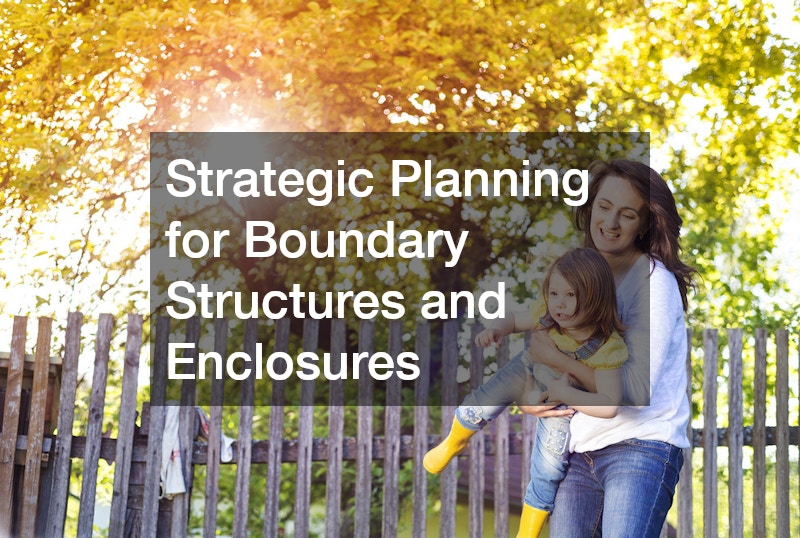
Defining Property Lines and Privacy Features Cost-Effectively
Establishing secure, attractive property boundaries is a cornerstone of any large-scale yard transformation. Boundary structures provide privacy, define functional zones, and keep children and pets safe. However, perimeter fencing can represent a massive portion of an overall landscaping budget due to linear footage requirements.
To manage boundary costs without compromising on durability, consider a hybrid material strategy. Rather than using premium, expensive fencing materials around the entire perimeter, invest in high-end decorative fencing for visible front-facing areas and transition to lower-cost materials along private rear or wooded property lines.
- Choose Prefabricated Panels: Using pre-assembled timber or vinyl panels reduces jobsite labor hours compared to building custom stick-framed fencing pickets one by one.
- Align Posts to Standard Sizes: Design property enclosures around standard eight-foot panel lengths to minimize material waste and cut-off scrap during construction.
- Optimize Gate Placements: Limit the number of wide vehicle gates, as custom gate hardware and heavy-duty framing add high costs compared to standard pedestrian gates.
Partnering with a reliable local fence company gives you access to wholesale material pricing and local installation expertise that DIY approaches rarely match.
Streamlining the project with a professional team ensures your fence installation is executed the first time correctly, preventing common DIY mistakes like shallow post footings, misaligned property lines, or inadequate hardware that lead to sagging panels and premature replacement costs.
Budgeting for Outdoor Carpentry and Custom Living Features
Adding Value With Affordable Decks and Covered Shade Structures
Outdoor living spaces act as true extensions of a home’s interior, creating dedicated areas for dining, lounging, and entertaining. Elevated wood platforms and covered shade structures provide incredible lifestyle value, but custom carpentry can quickly consume a renovation budget if the design is overly complex.
Keeping outdoor carpentry affordable comes down to geometric simplicity and smart material selection. Complex multi-tier platforms with curved edges, built-in benches, and angled stairs require extensive custom cutting, structurally complex framing, and significantly more labor hours. Sticking to clean, rectangular footprints maximizes usable square footage while minimizing cut-off waste.
When planning an elevated platform, choosing pressure-treated pine framing paired with standard-grade decking offers a durable, budget-friendly foundation. Planning your deck installation with standard lumber dimensions—such as 10×12 or 12×16 feet—allows installers to use full-length boards with minimal cutting, saving both labor time and material costs.
For covered seating, dining areas, or hot tub shelters, sourcing specialized gazebo builders can be far more cost-effective than hiring general contractors to stick-build a custom roof extension. Specialized builders often use streamlined, pre-engineered framing systems that install quickly, providing reliable weather protection and architectural interest at a fraction of the custom construction cost.
Partnering With Trade Specialists and Managing Project Contracts

Vetting Trade Experts to Maximize Quality and Avoid Hidden Fees
The final phase of a large-scale landscape transformation involves bringing together all structural, carpentry, and planting elements into a cohesive design. Managing multiple trade specialists requires clear communication, detailed contract reviews, and a well-planned project timeline.
To ensure you are receiving fair market pricing, secure detailed, itemized bids from at least three licensed contractors for each major scope of work. Be wary of broad lump-sum quotes that lack transparent line items; itemized bids allow you to compare labor, material, and equipment costs side-by-side and identify areas where you can trim expenses.
- Schedule Work During Off-Peak Seasons: Many outdoor contractors experience seasonal lulls in late autumn and winter. Booking work during these slower months can yield competitive labor discounts and shorter wait times.
- Establish Clear Scope Boundaries: Define exactly who is responsible for site cleanup, debris disposal, and utility line marking in writing to prevent surprise change orders later.
- Coordinate Sequential Scheduling: Ensure heavy site clearing and grading trades finish completely before carpentry and planting crews arrive on-site, avoiding overlapping crew delays.
When selecting structural specialists, experienced deck builders can offer invaluable advice on value-engineering your design, such as modifying post layouts to reduce the total number of concrete footings required without sacrificing load-bearing safety.
Finally, collaborating with a knowledgeable landscape contractor ensures your softscaping choices—such as soil conditioning, lawn seeding, and native plant selection—are tailored to your local climate, ensuring high plant survival rates and lowering ongoing water and maintenance costs.
Value Engineering Your Outdoor Softscape
Once the hardscaping, boundaries, and wooden structures are in place, focus turns to softscaping—the living elements of your garden. Softscaping offers some of the greatest opportunities for creative cost savings because plants grow and multiply naturally over time.
Plant Sourcing and Size Strategies
Buying mature, specimen-grade trees and shrubs offers instant gratification, but it comes at a massive premium. A single fifteen-gallon shade tree can cost ten times as much as a three-gallon sapling of the same species. In three to five years, the smaller sapling will often catch up in size to the larger specimen, having established a stronger, healthier root system in its native soil.
For perennial borders, groundcovers, and ornamental grasses, purchase small container sizes (such as one-quart or one-gallon pots) or bare-root stock. Grouping smaller plants in tight clusters gives an immediately lush appearance at a fraction of the cost. Additionally, choose fast-spreading perennial varieties that can be easily dug up, divided, and replanted in other areas of your yard after two or three seasons.
Turf vs. Alternative Groundcovers
Installing a rolling green lawn across thousands of square feet can be extremely expensive, both during initial setup and over the years of maintenance. High-quality sod installation requires extensive soil prep, high material costs, and thousands of gallons of water to establish.
To keep turf costs manageable, limit high-maintenance sod strictly to primary functional areas, such as children’s play zones or immediate backyard gathering spaces. For outlying areas, slopes, or secondary garden zones, consider budget-friendly alternatives:
- Hydroseeding or Broadcast Seeding: Sowing grass seed directly into prepped topsoil costs a fraction of sod installation, though it requires patience and consistent watering during germination.
- Native Meadow Blends: Plant native wildflower and grass mixes on large open slopes. Native seeds require no synthetic fertilizers, minimal water once established, and only one or two mows per year.
- Bulk Mulch and Gravel Pathways: Replace non-essential lawn areas with wide, permeable pathways constructed from crushed stone, decomposed granite, or hardwood bark mulch. Buying these materials in loose bulk cubic yards rather than bagged quantities saves up to 50% on material costs.
Long-Term Maintenance and Utility Planning
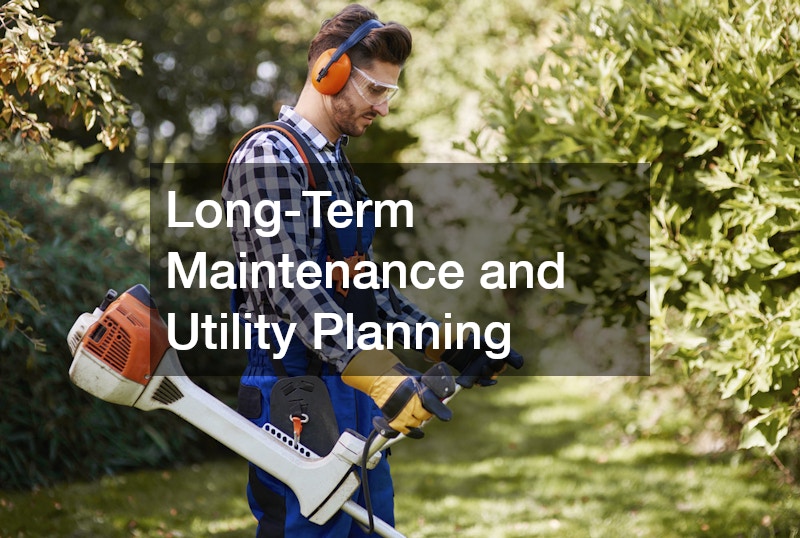
A truly budget-friendly landscaping project considers both initial build costs and ongoing long-term operational expenses. Designing a low-maintenance landscape prevents your outdoor dream space from turning into an expensive, labor-intensive burden.
Efficient Irrigation Infrastructure
Watering a large property manually with hoses is inefficient and leads to high municipal water bills. Installing an automated drip irrigation system for garden beds targets root zones directly, reducing water evaporation losses by up to 50% compared to traditional overhead sprinklers.
Pairing your irrigation system with a smart, weather-based controller ensures your garden is only watered when natural rainfall is insufficient, keeping utility costs low year-round.
Smart Outdoor Lighting Strategies
Highlighting tree canopies, architectural structures, and stone pathways with outdoor lighting creates a breathtaking evening ambiance and improves property security. To keep electrical installation and operating costs low, utilize low-voltage LED systems or high-efficiency solar fixtures.
Low-voltage systems do not require deep conduit trenching or high-cost electrical permits, allowing for simple, modular installation that can easily be expanded as your budget allows.
In addition to enhancing aesthetics and security, well-placed outdoor lighting can also improve safety by illuminating potential hazards such as uneven pathways or steps. Incorporating motion sensors can further enhance security by providing light only when needed, reducing energy consumption. For a more dynamic effect, consider using smart lighting systems that allow you to adjust brightness and color. This not only personalizes your outdoor space but also adds to the overall versatility and enjoyment of your property in the evenings.
Executing Your Outdoor Vision Within Budget
Executing a large-scale property makeover requires balancing ambitious design goals with realistic financial boundaries. By taking control of the planning process, understanding the correct sequence of site operations, and making smart material selections, you can achieve a high-end look without overspending.
Start by creating a master plan that maps out your entire vision, then divide the work into manageable, budget-conscious phases. Prioritize foundational site work, drainage, and property boundaries first, followed by structural outdoor living features, and finish with softscaping and decorative lighting.
By taking a disciplined, step-by-step approach and working with experienced trade professionals, you will transform your raw property into an inviting outdoor retreat that maximizes your home’s equity and provides years of outdoor enjoyment.